Why is Uttarakhand called ‘Uttarakhand Dev Bhoomi’ : Temples, Chants and Beliefs
Discover why Uttarakhand is called Dev Bhoomi — Land of the Gods. Explore ancient temples, sacred chants, divine beliefs & spiritual heritage of the Himalayas.
Paradise Yatra
Editorial Contributor
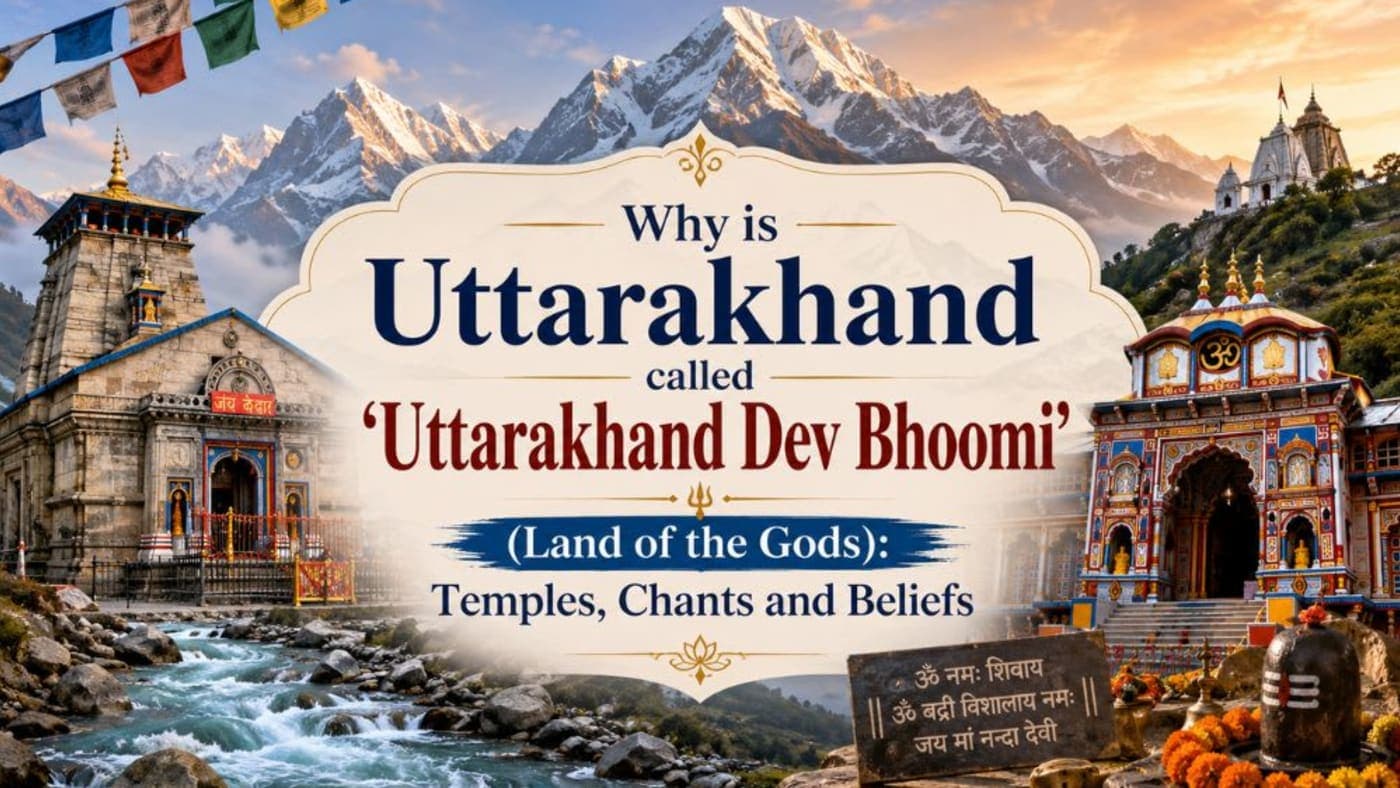
There are very few places in India which bring a feeling of spirituality so closely connected with nature as Uttarakhand. Uttarakhand has been a place of spiritual importance for centuries, surrounded by towering Himalayan peaks , sacred rivers, ancient temples and serene valleys. This is exactly the reason why the state is popularly called Uttarakhand Dev Bhoomi, “Land of the Gods.”
Whether it is the sound of temple bells ringing in mountain valleys , or devotees walking towards sacred shrines, or the peaceful chants near river ghats, spirituality becomes an integral part of the overall travel experience in Uttarakhand,
Those who come here for adventure or sightseeing often say there is something calming , and deeply spiritual about the atmosphere itself.
The significance of “Dev Bhoomi”
The term "Uttarakhand Dev Bhoomi" has been associated with the region for generations. In Hindu mythology many important gods, saints and spiritual stories have been associated with the mountains of Uttarakhand.
In ancient beliefs :
It is believed that Lord Shiva resides in the Himalayas
Many sages have meditated here
These mountains were origin of sacred rivers like Ganga
Many important Hindu pilgrimage sites are located in the state
Because of such deep spiritual ties, Uttarakhand gradually became known as a sacred region - individuals arrive here not solely to pray, yet seeking inner calm alongside quiet restoration. A sense of reverence lingers through its valleys, drawing those in search of stillness beyond mere ritual.
Unlike numerous bustling holy sites, here the sense of reverence tends to be calmer, closer to the natural world
The Sacred Char Dham Yatra Begins in Uttarakhand Dev Bhoomi
Among India's northern states, Uttarakhand Dev Bhoomi, meaning Land of Gods. A key reason lies in the Char Dham Yatra, an ancient spiritual journey. Four holy sites form this route, each set deep in the Himalayas. Though separated by rugged terrain, they are linked by faith and tradition. Pilgrims travel great distances, drawn not by convenience but by purpose. Each shrine carries its own history, yet together they shape a larger story. For many, reaching them marks more than physical arrival - it reflects endurance
Kedarnath,
Badrinath,
Gangotri,
Yamunotri.
Every year, thousands of devotees travel through rugged high mountain terrain each year just to visit these holy shrines. The pilgrimage itself often becomes a spiritual experience for the devotees. The devotees will travel long distances, sometimes by car through mountains, experience cold weather, hear temple chants and rush of flowing river waters in an environment which is totally different from the chaos of their everyday city life
Also Read: The Only Char Dham Yatra Guide You'll Ever Need
Old Temples in the Hills
Apart from Char Dham, Uttarakhand Dev Bhoomi has many ancient temples spread across the mountain regions of Uttarakhand Dev Bhoomi, most of which are located deep in a forest or village. Here are few popular pilgrimage places that are visited by many people every year are: Jageshwar Temple; Neelkanth Mahadev Temple; Tungnath Temple; Tapkeshwar Temple; Kainchi Dham.
Many of these temples are hundreds of years old and are built in very remote areas (surrounded by mountains, rivers and sometimes snow-capped peaks) . The unique aspect of spirituality in Uttarakhand (Dev Bhoomi) is that people who have any form of devotion to God or a deity will experience a sense of peace while being at one these temples as opposed to feeling crowded (or commercialized).
Divine Energy of Rivers
The spiritual energy of rivers and ghats feels enormous in Uttarakhand. Rivers kinda hold this whole sacred pull, and people notice it right away. The Ganga and Yamuna both begin from glaciers in the Himalayan region, so many devotees treat these rivers as sacred, almost like living pathways.
Places such as Haridwar , Rishikesh also get talked about for more than tourism alone. They are known for spiritual rituals, evening aartis , meditation and yoga practice too. The evening Ganga aarti at Har Ki Pauri is often described as one of those truly spiritual moments visitors can see in Uttarakhand.Even first-time visitors often say it’s emotional but also calming when lamps drift across the river and chants drift through the air.
Yoga meditation and spiritual study
Today the world is turning towards Uttarakhand for its increasing popularity in the field of yoga and meditation travel. But it is the calm hills and ancient customs that have slowly forged this acknowledgement through the ages.
Among global travelers, Rishikesh holds distinct appeal. Those seeking spiritual experiences often arrive here. Its reputation draws individuals drawn to yoga practice. Meditation centers contribute greatly to its international presence.The town remains a destination shaped by quiet transformation
yoga retreats
meditation centers
spiritual learning
peaceful lifestyles
Himalayan healing experiences
Among quiet peaks, stillness grows without effort. Where elevation slows movement, inner attention finds room to settle. Silence appears not by design but through absence of disruption. Spiritual awareness rises when noise fades into background. Reflection becomes possible once distraction ends. Through thin air and open space, thought turns inward almost unnoticed.
Should a visitor come first for thrills, quiet reflection might still follow. Time tends to stretch when mountains frame the days. Some find temples where they expected only trails. Moments add up beyond what was planned. What begins as motion slows into presence.
Also Read: Uncover Spiritual Travel in India: Yoga, Ayurveda & Ashram Retreats
Beliefs and Local Traditions Influence Daily Living
Few places show tradition's weight like Uttarakhand, where customs quietly shape daily life. Though modern elsewhere, here old ways remain woven into habits without effort. Wherever you look, rituals act as silent guides through village routines. Even so, festivals do not shout their importance - they simply are. Because time moves differently, the past stays close at hand.
While change arrives slowly, it never quite replaces what came before.
In many villages:
local deities are worshipped regularly
Even today, ceremonies from long ago continue without interruption
festivals are celebrated with deep devotion
temple fairs remain an important part of community life
Where big cities may reduce customs to gestures, here they remain part of ordinary moments.
Rituals appear without announcement in morning chores or quiet walks. Not performance, but presence shapes the rhythm. Life moves with reverence as a background thread, unseen yet constant.
Observation reveals its presence within these areas
morning temple prayers
devotional music from small shrines
villagers offering prayers before journeys
seasonal religious festivals
Among travelers, tiny moments tend to stand out when moving across Uttarakhand. What lingers is rarely grand - instead, brief encounters shape recollection. These subtle impressions remain long after the journey ends. Seemingly minor details gain weight in memory over time. Quiet exchanges, fleeting sights, unremarkable stops - they accumulate quietly. Often, it is not spectacle but stillness that stays.
Why Travellers Feel a Spiritual Connection Here
Many tourists who visit Uttarakhand talk about a feeling of calmness which is hard to describe.
Some of that feeling is the surroundings:
calm mountains
rivers running
fresh air woods
temple noises
a slower pace of life
It’s not just temples or mythology — it’s the vibe people get while being there.
Best Time to Visit Spiritual Sites of Uttarakhand
Uttarakhand is beautiful at all times but the most comfortable months for spiritual travel are generally:
March-June September-November
These months :
The weather remains pleasant and the temple trails are accessible.
mountain roads are still safer sightseeing is easier
Conclusion
The land of uttarakhand is called "uttrakhand dev bhoomi". But this name is actually true because there is a lot of spirituality in each and every nook and corner of this sacred place from the ancient temples and holy rivers to the mountain chants and the folk beliefs. And on the top of the peaceful environment, with the background of rich mythological history and devotion, it turns into such a spiritual experience which will not be experienced in any other usual holiday destinations.
Travellers carry the peace within them when they return from Uttarakhand. But it does not end here, the travellers get connected to this place through a sense of spiritual bonding. Whether the visitors are coming here for pilgrimages, meditation, sightseeing or even to explore the beauty of the Himalayas, everything makes the visitor connect with the place spiritually.
So for the travellers who are planning to make their uttarakhand journey a memorable one by adding an element of spirituality to it, the Paradise Yatra is offering some spiritual travels in uttarakhand in 2026.
Got Questions? We Have Answers.
Find everything you need to know about our seamless booking process, package details, and unforgettable travel experiences.

24/7 Support
Always here to help