Travel Tips for Sikkim Tour: Permits, Weather & Packing Guide
Don't miss these tips for Sikkim Tour! Complete guide on permits, weather, packing & top destinations for a safe Himalayan adventure.
Paradise Yatra
Editorial Contributor
Introduction: Why Sikkim is on the Map of Every Traveller
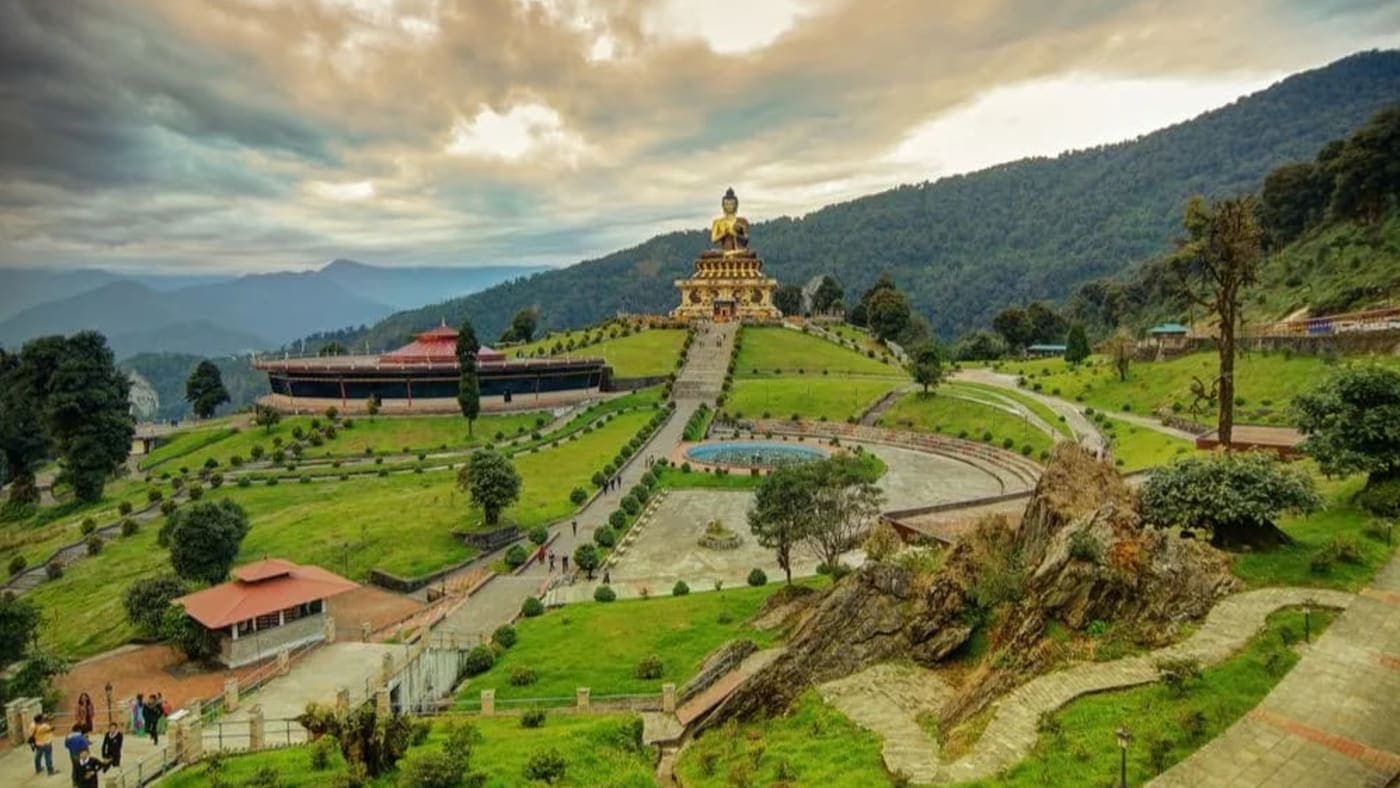
Sikkim is one of the most stunning states in India and is located in the heart of the eastern Himalayas. High mountains, old monasteries, blue lakes and rhododendron forests cover this small paradise. Thousands of travellers plan their Sikkim Tour every year — and with reason.
A Sikkim Tour is however not your average road-trip. It takes permits, clever packing, and a knowledge of its changeable weather conditions, before you step out onto its winding mountain tracks. These travel tips for the Sikkim tour will assist you to plan a safe, happy and certainly memorable Sikkim Tour — whether you are a first-time visitor or an experienced mountain traveller.
Sikkim in a Nutshell
Sikkim is a landlocked state that borders Nepal, Tibet and Bhutan. It is incredibly diverse, with forests in the south and glaciers in the north. Gangtok, the capital, is approximately 1,650 metres above sea level and is the primary entry point for most Sikkim Tour travellers.
Sikkim is the only fully organic state in India, which means exceptionally fresh and clean food. A blend of Nepali, Tibetan and Lepcha cultures creates a very welcoming atmosphere the moment you arrive.
Sikkim Permit Guide: What and How to Have One
This is the most important step in planning your Sikkim Tour. As Sikkim has some sensitive international borders, the Indian government requires certain permits to enter and move within the state.
1. Inner Line Permit (ILP)
All Indians must have an Inner Line Permit (ILP) to access Sikkim. Luckily, it is a simple process.
Where to obtain: Online at the Sikkim government's e-permit portal, at Rangpo and Melli checkpoints, or at the Tourist Information Centre in Siliguri.
Documents required: Valid photo ID (Aadhaar, Voter ID, or Passport), two passport-sized photographs, and a completed application form.
Price: Free for Indian nationals.
Validity: 30 days (usually) with extension.
Foreigners must have a Protected Area Permit (PAP), obtainable at the Foreigners Registration Office (FRO) in Gangtok or major cities. Foreign tourists must travel in groups of 2 or more to access restricted areas.
2. Restricted Area Permit (RAP) for North Sikkim
If your Sikkim Tour includes North Sikkim — Lachen, Lachung, Gurudongmar Lake, or Yumthang Valley — you require a Restricted Area Permit via a registered local travel agency. Individual travel is not allowed in this zone.
Application: Via any registered tour operator in Gangtok.
Validity: 7–10 days (depending on itinerary).
Price: ₹500–800 per individual (agency-dependent).
3. Border Area Special Permits
To visit Nathula Pass (the Indo-China border) or Tsomgo Lake during your Sikkim Tour, Indian nationals require a day permit obtainable through registered travel agents in Gangtok. Nathula Pass is currently not open to foreign nationals.
Pro Tip: Carry multiple copies of your permits and ID proofs. There are numerous checkpoints with thorough scrutiny.
The Best Time to Visit Sikkim: A Month-by-Month Weather Guide
Planning your Sikkim Tour around the right season can transform your experience. The state has four seasons, each with its own distinct beauty.
Spring (March–May): Best overall season. Rhododendrons bloom in bright red, pink and white. Comfortable temperatures of 10°C–22°C, clear Kanchenjunga views.
Summer (June–August): Monsoon season — heavy rain, slippery roads, possible landslides. Pack rain-proof clothes and plan for flexibility.
Autumn (September–November): Ideal trekking season. Blue skies, 5°C–18°C temperatures, perfect for treks like Goecha La and Dzongri.
Winter (December–February): Snow and tranquility. North Sikkim roads may close, but Gangtok and Pelling remain open with gorgeous snow-white views.
Sikkim Tour Packing Guide: What to Take
Packing smart is essential for any Sikkim Tour. Altitude changes mean you'll encounter several weather conditions in one visit.
Clothing Essentials
Thermal undergarments (at least two sets)
Fleece or woollen jacket (mid-layer)
Windproof/waterproof outer layer (Gore-tex recommended)
Quick-dry trekking pants
Ankle-support, waterproof trekking boots
Woollen hat, gloves and warm socks
UV-protective sunglasses
Toiletries and Medical Kit
Sunscreen SPF 50 or higher
Lip balm with SPF
Moisturising lotion
Diamox (altitude sickness medication — consult your doctor)
Basic first-aid kit: antiseptic, painkillers, antacids, bandages
Oral rehydration salts (ORS)
Personal prescription medications in sufficient quantities
Gadgets and Accessories
Power bank
Universal adapter/charger
Offline downloaded maps (limited connectivity in North Sikkim)
Trekking poles
Reusable filtered water bottle
Headlamp with extra batteries
Documents to Carry
ID proofs (originals and photocopies)
All permits (ILP, RAP, Nathula Pass permit)
Hotel booking confirmations
Emergency contact address book
Travel insurance details
Top Destinations on Your Sikkim Tour
Gangtok: The colourful capital — a great base to acclimatise and make day trips.
Tsomgo Lake: A glacial lake at 3,780 metres with steep scenic slopes.
Gurudongmar Lake: One of the world's highest lakes at 5,183 metres — sacred to Sikhs and Buddhists.
Yumthang Valley: The Valley of Flowers — stunning during spring.
Pelling: Spectacular Kanchenjunga views and ancient monasteries.
Ravangla: A peaceful spot — ideal for monastery visits and tea garden walks.
Namchi: Home to grand statues of Guru Padmasambhava and Shiva.
Notable Sikkim Tour Travel Tips
Acclimatise first: Spend at least two nights in Gangtok before heading to North Sikkim.
Bring cash: ATMs are scarce in rural areas. Withdraw money in Gangtok or Siliguri.
Respect local practices: Remove shoes in monasteries. Ask before photographing locals.
Book in advance: Peak season (October and May) fills up quickly — reserve hotels early.
Get a local guide: Required in certain zones and invaluable to your overall experience.
Stay hydrated: Drink 3–4 litres of water per day at high altitudes.
Avoid alcohol at altitude: It worsens altitude sickness and dehydration.
Support the local community: Book homestays, eat at local dhabas, buy handicrafts from artisans.
How to Reach Sikkim
By Air: Pakyong Airport (PYG) is closest (~35 km from Gangtok). Bagdogra Airport (IXB) in West Bengal (~124 km) has more frequent flights.
By Train: New Jalpaiguri (NJP) station in Siliguri, then a shared jeep or taxi (~4–5 hours) to Gangtok.
By Road: Shared jeeps and private taxis connect Siliguri and Gangtok via the scenic NH10.
7-Day Sikkim Tour Budget
Category | Estimated Cost (INR) |
Accommodation (mid-range) | ₹4,000 – ₹8,000 |
Food (per day) | ₹500 – ₹1,000 |
Local transport | ₹3,000 – ₹6,000 |
Permits | ₹500 – ₹1,500 |
Entry fees & activities | ₹1,000 – ₹2,000 |
Miscellaneous | ₹1,000 – ₹2,000 |
Total (approx.) | ₹10,000 – ₹20,000 |
Final Thoughts
Sikkim Tour rewards every traveller who prepares well — These Tips for Sikkim Tour will help you from early permit applications to weather forecasting and carrying appropriate gear. Respect its culture, ecology and local communities to make your experience truly enriching.
So begin planning, get your permits sorted, pack those thermals, and set off on one of the most spectacular Sikkim Tours India has to offer. For a seamless and worry-free experience, trust Paradise Yatra to handle every detail of your journey. Sikkim is waiting — and it will surpass all expectations.
sikk
Got Questions? We Have Answers.
Find everything you need to know about our seamless booking process, package details, and unforgettable travel experiences.

24/7 Support
Always here to help